

Volvo EX90 Meets 2027 Hyundai IONIQ 9 in a Three-Row EV Study near Elizabethtown, NC
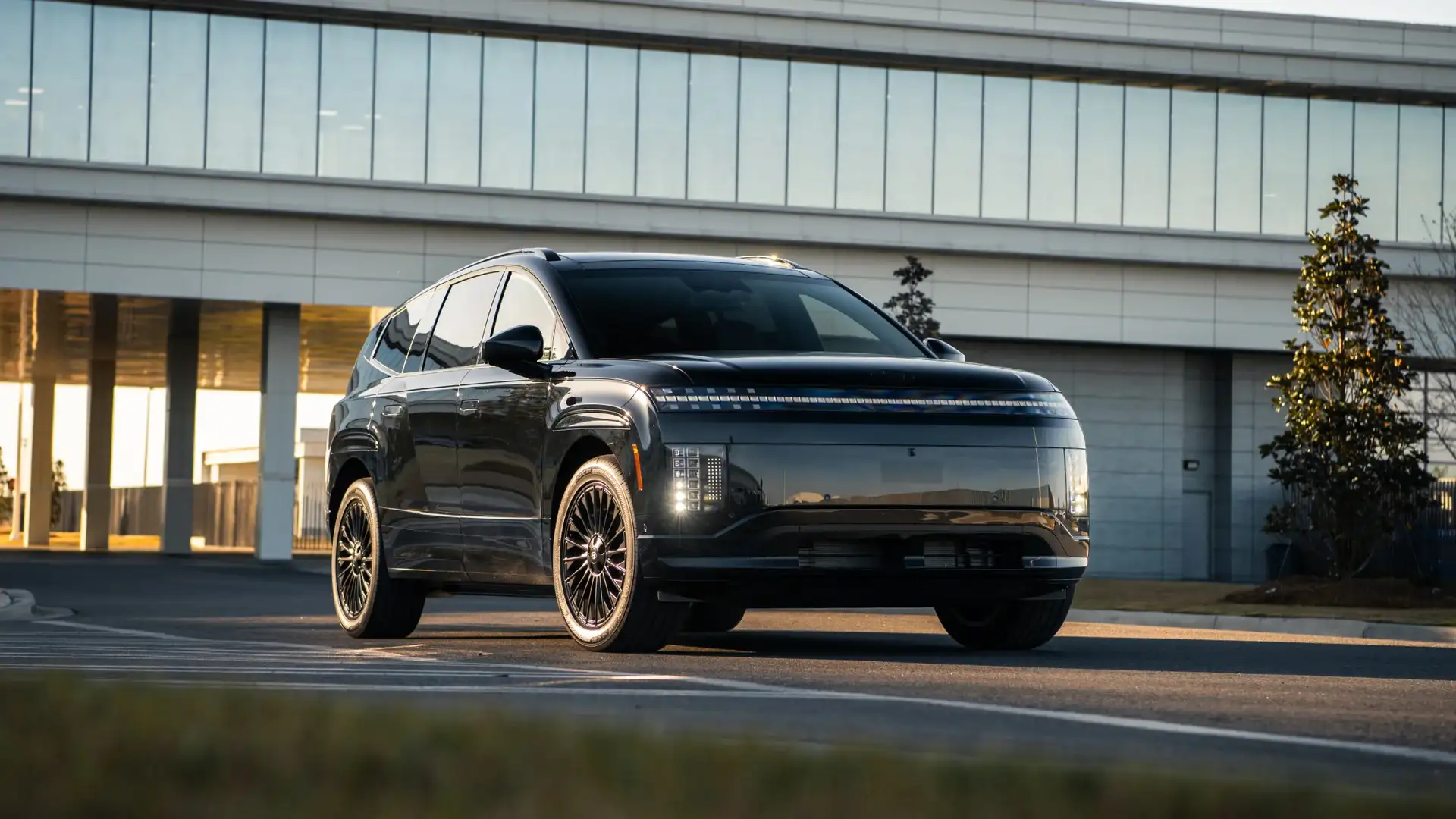
Choosing a three-row electric SUV brings a different set of priorities into focus than shopping for a smaller EV. Families near Elizabethtown, NC, may need space for passengers, school bags, weekend luggage, groceries, sports gear, and larger purchases while still expecting electric driving to fit naturally into everyday life. The Volvo EX90 and 2027 Hyundai IONIQ 9 approach that responsibility with distinct personalities, giving shoppers two thoughtful interpretations of spacious electric transportation. The Volvo leans toward restrained premium character, while the Hyundai places considerable emphasis on flexible seating, passenger comfort, useful cargo room, and adaptable daily convenience. Both vehicles also bring the quiet response of electric propulsion into a three-row format that can serve as a primary family vehicle rather than a specialized commuter. Looking beyond individual specifications reveals the more meaningful comparison, which centers on how easily each SUV can handle school mornings, highway journeys, shopping stops, crowded parking lots, and spontaneous weekend plans.
Three-Row Space Shapes Everyday Comfort
The usefulness of a large electric SUV often becomes clear before the vehicle even leaves the driveway. A household may need every seating position for one trip, extra cargo room for the next, and a more open second-row environment later the same day. The Volvo EX90 approaches three-row travel with a calm premium character, creating an interior atmosphere that suits drivers who appreciate visual simplicity and understated design. The 2027 Hyundai IONIQ 9 places greater emphasis on giving families several ways to organize passengers, with seating configurations that change according to trim. Those differences make cabin layout an important part of the buying decision because comfort depends on how well a vehicle adapts to the people and routines it carries most often.
Flexible Seating Fits Changing Family Plans
The 2027 Hyundai IONIQ 9 offers seven-passenger seating in S, SE, and SEL models, giving larger households a practical second-row bench arrangement. That bench can slide forward and backward, which helps families balance second-row comfort against the space needed by third-row passengers. Limited and Calligraphy models move to a six-passenger configuration with power second-row captain’s chairs, creating greater separation between passengers while opening a clearer path toward the rear. These captain’s chairs also include one-touch walk-in functionality, wing-type headrests, and leg rests, making the second row feel especially accommodating during longer drives. Available ventilated second-row seating further supports passengers who spend substantial time in the vehicle during warm North Carolina afternoons.
The benefits become clearer during an ordinary family weekend. A morning departure might involve children, friends, backpacks, sports bags, and several water bottles competing for the same space. Later, fewer passengers may ride along while groceries or home supplies take over part of the cabin. The 2027 Hyundai IONIQ 9 can respond to those changes without making the vehicle feel dedicated to only one type of trip. The Volvo EX90 offers a different kind of appeal by pairing three-row usefulness with a more restrained premium environment that may suit households drawn to Scandinavian-inspired simplicity. One cabin emphasizes flexible arrangements, while the other can feel especially appealing to drivers who place a high value on atmosphere and visual calm.
Cargo Room Supports Bigger Weekends
Passenger capacity tells only part of the three-row SUV story because families still need useful storage when every row is occupied. The 2027 Hyundai IONIQ 9 provides 21.9 cubic feet of luggage capacity behind its third row, giving owners room for groceries, everyday bags, or smaller travel items without immediately folding seats. Lowering the third row expands cargo capacity to 46.7 cubic feet behind the second row, allowing the vehicle to handle larger shopping trips or additional recreational equipment. With the rear seating areas folded, luggage capacity reaches 86.9 cubic feet behind the first row. These figures matter because they reduce the need to choose between bringing passengers and carrying the items that often travel with them.
Upper 2027 Hyundai IONIQ 9 trims add power-folding third-row seats, which can simplify the switch from passenger transportation to cargo duty. That convenience becomes especially valuable when someone approaches the vehicle carrying shopping bags, luggage, or equipment and needs to create room quickly. The long cabin also supports generous passenger space, including substantial second-row legroom that can help adults feel comfortable rather than squeezed behind the front seats. The Volvo EX90 similarly gives premium EV shoppers a three-row format instead of asking them to move into a smaller crossover. For families near Elizabethtown comparing these SUVs, the practical question is how frequently the cabin must change roles and how easily each layout supports those changes.
Electric Driving Fits A Busy Routine
Three-row EV ownership becomes far more appealing when the powertrain feels like a natural part of daily transportation. Both the Volvo EX90 and 2027 Hyundai IONIQ 9 bring smooth, quiet electric operation into a larger SUV package, which can make stop-and-go traffic and longer highway stretches feel calmer. Hyundai offers the 2027 Hyundai IONIQ 9 with rear-wheel drive and all-wheel drive configurations, allowing shoppers to prioritize different combinations of range, output, and traction. Its selectable driving modes include Eco, Normal, Sport, Snow, and My Mode settings, giving drivers a straightforward way to adjust vehicle responses for different conditions. Regenerative braking controls add another layer of personalization by allowing the driver to influence how the vehicle slows when accelerator pressure is reduced.
Driving Range Supports Longer Days
The rear-wheel-drive 2027 Hyundai IONIQ 9 carries an estimated all-electric driving range of 335 miles. Other configurations offer estimated ranges of 320 miles or 311 miles, depending on the model selected. Those figures can help the 2027 Hyundai IONIQ 9 support commuting, school runs, errands, regional travel, and longer days away from home without making every departure feel like an exercise in battery planning. Its 110.3-kWh lithium-ion battery provides the energy capacity needed to support the size and family-oriented mission of the vehicle. For shoppers who want an electric SUV to replace a traditional family vehicle, that ability to cover varied daily needs can be more important than chasing a single dramatic performance figure.
Range also affects how spontaneous ownership feels. Family schedules rarely remain perfectly predictable, and a short trip can easily gain another stop when groceries, activities, appointments, or social plans enter the picture. A useful driving range gives owners greater freedom to adapt without immediately changing plans around the vehicle. The Volvo EX90 participates in the same broader shift toward making electric propulsion suitable for substantial family transportation rather than short-distance commuting alone. Its quiet premium personality may appeal to drivers who view electric propulsion as part of a refined travel experience. The 2027 Hyundai IONIQ 9 places stronger emphasis on pairing that quiet operation with a flexible cabin and practical range for households that expect one vehicle to handle many responsibilities.
Charging Speed Changes Travel Rhythm
Charging convenience becomes especially important once an electric SUV begins handling road trips and full family schedules. Hyundai lists a 10-to-80-percent charging time of approximately 24 minutes for the 2027 Hyundai IONIQ 9 when connected to a compatible 350-kW DC fast charger with a CCS adapter. The vehicle also uses a NACS charge port located on the passenger-side rear quarter, giving owners a familiar connection format for compatible charging locations. For home charging, Hyundai lists a 10-to-80-percent time of 9 hours and 40 minutes using a 240-volt, 48-amp Level 2 setup. Battery preconditioning is also included, helping prepare the battery for charging under appropriate conditions.
The practical benefit is the ability to approach charging differently according to the trip. Overnight charging can fit naturally into routine ownership, allowing the vehicle to replenish energy while the household is home. During longer journeys, faster DC charging can fit into a break for food, stretching, or reorganizing the cabin before returning to the road. That rhythm can make electric travel feel less disruptive for families who already stop periodically on longer drives. The Volvo EX90 is aimed at a similar group of buyers who want electric propulsion to support substantial daily and regional travel while retaining a premium experience. In both vehicles, charging becomes most valuable when it fades into the background and allows passengers to focus on the destination rather than the process.
Cabin Technology Keeps Everyone Connected
Technology in a three-row family SUV should simplify travel rather than demand constant attention. The Volvo EX90 expresses its digital character through a clean and restrained cabin philosophy that complements its premium design approach. Hyundai takes a family-centered path in the 2027 Hyundai IONIQ 9 by distributing useful technology throughout all three seating rows. That means passengers do not have to depend entirely on front-seat occupants for charging access, climate comfort, or entertainment connectivity. The result can make the Hyundai feel particularly well prepared for households carrying several connected devices and passengers with different preferences during the same trip.
Connected Passengers Make Travel Easier
The 2027 Hyundai IONIQ 9 includes a 12.3-inch navigation system along with wireless Android Auto™ and Apple CarPlay® compatibility. Bluetooth® multiple-device connection can help households manage several phones without treating the cabin as a single-user environment. A wireless phone charger adds convenience near the front, while seven USB Type-C ports distribute wired charging access throughout the vehicle. Three ports are positioned in the first row, with two in the second row and another two in the third row. That arrangement can significantly reduce cable sharing during longer trips when phones, tablets, headphones, and other devices all need power.
Climate comfort receives similar attention across the cabin. The 2027 Hyundai IONIQ 9 provides automatic temperature control for the second row along with air vents serving both the second and third rows. That matters because passengers sitting farther back should not feel like they occupy secondary spaces within the vehicle. Limited and Calligraphy trims also add Bose® premium audio, giving music, podcasts, and spoken entertainment greater presence within the quiet electric cabin. The Volvo EX90 takes a more visually minimalist approach to digital interaction, which may appeal to drivers who prefer a centralized and restrained presentation. Choosing between the two can depend on how much a household values distributed convenience compared with a more simplified premium atmosphere.
Driver Assistance Supports Everyday Confidence
Large three-row SUVs naturally require awareness in traffic, parking areas, and tight spaces. Hyundai equips the 2027 Hyundai IONIQ 9 with a broad selection of driver-assistance systems designed to support that responsibility. Blind-Spot Collision-Avoidance Assist, Rear Cross-Traffic Collision-Avoidance Assist, Lane Keeping Assist, Lane Following Assist, Safe Exit Assist, Highway Driving Assist 2, and Smart Cruise Control 2 are among the available technologies. Some trims also provide a Surround View Monitor and a Blind-Spot View Monitor, which can offer additional visual information when maneuvering around nearby vehicles or obstacles. These systems still require attentive driving, but they can reduce some of the mental workload that comes with managing a sizable family SUV.
The difference can feel particularly relevant around schools, shopping centers, busy intersections, and crowded parking lots. A driver backing from a space may appreciate additional awareness around crossing traffic, while highway assistance can support a calmer experience during longer stretches of travel. The Volvo EX90 also places considerable emphasis on creating a reassuring driving environment, which aligns with the safety-focused character closely associated with Volvo vehicles. This gives shoppers two thoughtful approaches to confidence in a large electric SUV. The best fit may become obvious only after sitting behind the wheel and experiencing how the controls, displays, visibility, and assistance features feel in motion.
Different Personalities Shape The Final Choice
The Volvo EX90 and 2027 Hyundai IONIQ 9 share the same basic goal of making three-row electric transportation practical for everyday family life. Their personalities, however, can lead buyers in noticeably different directions. The Volvo EX90 brings a restrained premium identity that may resonate with drivers who appreciate minimalist design and a calm cabin environment. The 2027 Hyundai IONIQ 9 emphasizes adaptability through multiple seating layouts, substantial cargo flexibility, long estimated driving range, rapid-charging capability, and convenience features spread across all three rows. For shoppers near Elizabethtown, NC, the stronger choice may depend less on finding one universal winner and more on identifying which SUV fits the household’s habits most naturally.
Volvo EX90 Appeals To Calm Premium Priorities
The Volvo EX90 can make a strong connection with shoppers who want their electric SUV to communicate sophistication through restraint. Its premium character favors a clean cabin environment rather than filling the interior with unnecessary visual activity. That approach can be especially appealing during long commutes or highway drives, when a calm interior may help reduce the sense of busyness surrounding the trip. Families can still enjoy three-row practicality while maintaining an atmosphere associated with a modern premium vehicle. For drivers moving from another upscale SUV, the Volvo EX90 may feel like a natural progression into electric ownership without abandoning familiar expectations for refinement.
That personality also helps distinguish the Volvo from the Hyundai rather than placing both vehicles on identical ground. The Volvo EX90 may suit households whose passenger and cargo patterns remain relatively consistent and whose buying priorities lean strongly toward cabin ambiance. Its appeal can be emotional as much as practical, especially for shoppers who appreciate the visual discipline associated with Scandinavian-inspired design. The 2027 Hyundai IONIQ 9 approaches family luxury from a more adaptable perspective, placing many of its strongest advantages in seating flexibility and daily convenience. Both ideas can create satisfying ownership, but they respond to different definitions of what makes a large electric SUV relaxing to live with.
2027 Hyundai IONIQ 9 Prioritizes Family Flexibility
The 2027 Hyundai IONIQ 9 makes a compelling case for families whose routines rarely stay the same for long. Seven-passenger versions can support larger groups, while six-passenger Limited and Calligraphy models create a more individualized second-row experience with captain’s chairs. Useful cargo space remains available with all three rows raised, and substantially more capacity appears once the rear seating is folded. Available power-folding third-row seats can make those transitions easier when the vehicle needs to change from passenger duty to cargo hauling within the same day. Add widespread USB access, multi-row climate support, an automatic power liftgate, and available sliding center-console functionality, and the cabin begins to feel carefully shaped around everyday family movement.
The 2027 Hyundai IONIQ 9 also allows electric performance to align with different ownership priorities. Rear-wheel drive provides the highest listed estimated range, while all-wheel drive configurations bring additional traction and stronger output for drivers who place greater importance on those qualities. Properly equipped all-wheel drive models can tow up to 5,000 pounds with trailer brakes, adding another layer of usefulness for families with recreational equipment or occasional towing needs. Even with that capability, the vehicle’s overall character remains centered on quiet travel, passenger space, and flexible everyday use. That balance can make the 2027 Hyundai IONIQ 9 particularly attractive to buyers who want an EV capable of serving as the household’s primary vehicle rather than filling a narrow transportation role.
For drivers near Elizabethtown, NC, comparing the Volvo EX90 and 2027 Hyundai IONIQ 9, spending time inside the vehicles can reveal differences that specifications alone cannot capture. The 2027 Hyundai IONIQ 9 deserves close attention from families who value flexible seating, useful cargo space, long-range electric driving, fast-charging support, and thoughtful conveniences for passengers in every row. Our team at ALM Hyundai Lumberton can help shoppers experience the cabin, examine available seating configurations, and see how the 2027 Hyundai IONIQ 9 may fit their daily routines. Visitors can schedule a test drive and experience the 2027 Hyundai IONIQ 9 in person before deciding which three-row electric SUV best matches their priorities. A visit to our location near Elizabethtown offers a practical way to turn an online comparison into a clearer and more confident ownership decision.
0 comment(s) so far on Volvo EX90 Meets 2027 Hyundai IONIQ 9 in a Three-Row EV Study near Elizabethtown, NC